Why we built ClearPaw
It started with a terrifying morning, a dog named Noodle, and a problem I couldn't stop thinking about.
Meet Noodle
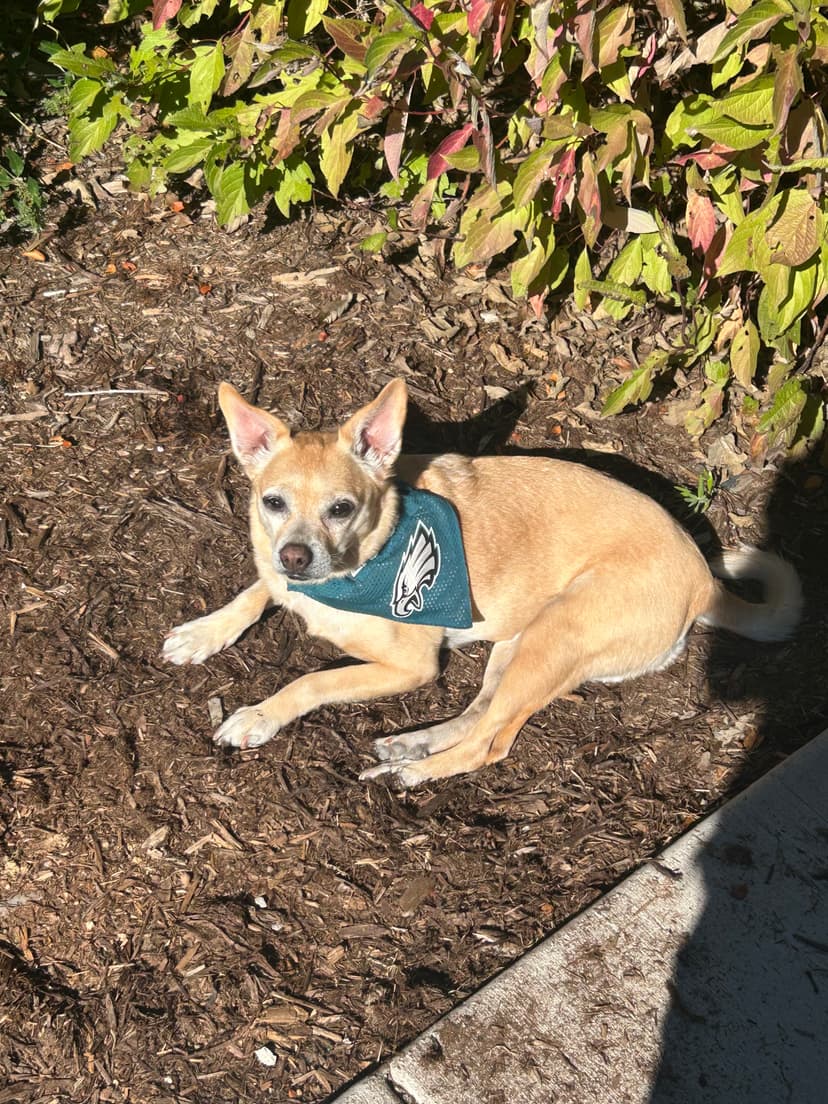
Noodle has been my shadow through the hardest chapters of my life: a bad breakup, quitting a stable career to pursue veterinary school, packing everything and moving from Delaware to Colorado in the middle of COVID, and a year when I couldn't walk. Through all of it, he never left my side. He's a spicy chihuahua-shiba inu mix with a personality twice his size, and he has been my best friend since day one.
In the summer of 2025, he started having strange spacing-out episodes. I knew something was off, but I couldn't figure it out. Then October 1st happened.
I woke up and immediately knew something was wrong. Noodle went to the corner of the room and started circling. Uncontrollably. Endlessly. He vomited. I rushed him to the emergency room at 3 in the morning, terrified I was about to lose him.
The next several hours were a blur of specialists. Bloodwork. An MRI. Radiographs. An abdominal ultrasound. A neurologist, an internal medicine specialist, a radiologist, an ER doctor. Each one explained something to me, and each time I nodded, still in shock, still watching my best friend struggle. It was determined he had a stroke of unknown cause. I thought I was going to have to euthanize him. I thought the damage would be permanent.
Maybe I was told he'd make a full recovery at discharge. I honestly don't remember. The entire day was a blur, and the days after were filled with confusion and fear.
The gap I couldn't stop thinking about
I felt ashamed. Here I am, a future veterinarian, and I couldn't piece together what had happened to my own dog. I felt guilty. I felt lost.
And then something shifted. I started thinking: if this happened to me, what happens to everyone else?
As a vet student, I had watched it play out time and time again. A pet parent receives a cancer diagnosis, a terminal prognosis, a complicated treatment plan, and their face goes blank. It doesn't matter how carefully the vet explains it. Emotions crowd everything out. The information is there, but it doesn't land. People leave the clinic exhausted and uncertain, unsure of what comes next.
This isn't a failure of the veterinarian. It's not a failure of the pet parent. It's a gap that exists for every family in their most vulnerable moment, and it costs them clarity when they need it most.
So we built it
I decided to build ClearPaw.
ClearPaw lets you record the visit so you don't have to rely on a memory that's already overwhelmed. It turns those recordings, and any documents the clinic gives you, into a clear summary: the diagnosis, the medications, the care plan, the follow-up steps. When questions come up at 2am, you can ask them and get answers grounded in what your vet actually said, not generic advice from the internet.
It's the relief in your pocket, in your time of need.
And because pets give us everything, we made a commitment: 1% of every ClearPaw subscription goes to animal shelters and rescue organizations. The animals that fill our lives deserve something back.
What I hope ClearPaw does for you
I want you to feel like someone is there with you, in the ER waiting room, in the car on the way home, and in the quiet moments of worry at night.
I want you to feel relief. Clarity. The confidence that you know exactly what to do next.
With love,
Erik G.
P.S. Noodle is doing great. He's back to barking at me and stealing my food.